

 A Brief History of Skate Pads
From the earliest days of pool riding in the late 1970s and the explosion of vert skating in the 1980s, pads have been a cornerstone of skateboarding culture. Back then, helmets, knee pads, and elbow pads weren’t just optional—they were survival gear. Skaters dropping into empty backyard pools or blasting airs on towering halfpipes knew that without proper protection, one bad slam could put an end to their session. Legends like Tony Hawk and Christian Hosoi made pad slides down vert walls look stylish, and safety equipment became part of the identity of transition skating. Even today, at contests like X Games or Vans Park Series, you’ll see the pros locked into their pads, a reminder that no matter how good you get, protection is part of the game.
Matching Pads to Your Skating Style
When it comes to choosing pads, the first step is understanding your style of skating. Street skaters who spend hours flipping tricks on flatground or ledges often prefer pads that are lower profile, giving them freedom to move without feeling bulky. Transition riders, bowl skaters, and anyone eyeing vert ramps will want heavier-duty gear with thick padding and durable plastic caps that can take the brunt of repeated knee slides. Downhill and freeride longboarders also benefit from high-quality knee pads that can absorb the shock of sliding out at speed.
Comfort and Fit First
Fit and comfort are just as important as protection. Pads that pinch, slip, or constantly need adjusting will distract you from skating, and worse, may not work properly in a fall. Look for designs with adjustable straps and secure closures that keep everything in place while still letting you move naturally. A good set of pads should feel snug without cutting off circulation. Over time, foam padding should mold slightly to your shape, creating a personalized fit.
Materials and Construction Matter
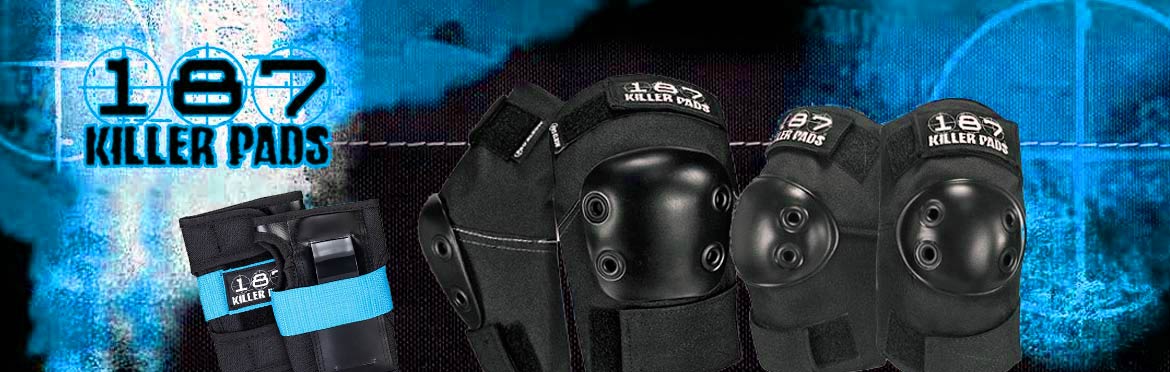
The materials and construction of your pads make a huge difference in both protection and longevity. Entry-level pads may use simple single-density foam and cheaper stitching, which can flatten out quickly. Higher-end options often feature multi-density foam layers that spread out impact forces, reinforced stitching, and replaceable plastic caps. Ventilation is another detail worth considering, since pads that trap heat and sweat can become a session-killer. Modern designs often include perforations or mesh sections to help with airflow without sacrificing safety.
Trusted Brands and Proven Performance
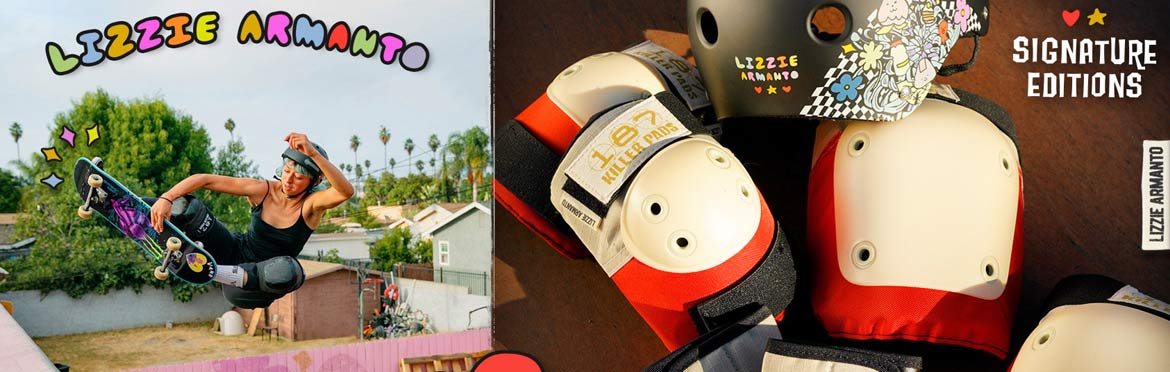
Beyond the technical aspects, reputation matters. Brands that have been trusted by skaters for decades have built that trust on durability and protection. Watching pros knee-slide out of massive airs on vert ramps or survive slams in concrete bowls shows what quality pads can do. And while style and colour options are more plentiful today than in the past, pads are ultimately about keeping you skating longer, progressing with confidence, and avoiding unnecessary time on the sidelines.
At CalStreets BoarderLabs, we’ve been around since the pad culture first took off, back when Vancouver skaters were building backyard ramps and safety gear was the badge of anyone serious about going big. We’ve seen generations of skaters learn, fall, get back up, and keep pushing—always with the right gear under their feet and the right pads protecting their knees and elbows. Whether you’re a beginner rolling around the neighbourhood, a transition skater ready to drop into your first bowl, or an old-school ripper reliving the glory days of vert, choosing the right pads ensures you’ll skate harder, longer, and safer. Stop by the shop or check out our online selection and we’ll help you find the perfect set to match your style of skating.