



 Early Life in Dogtown
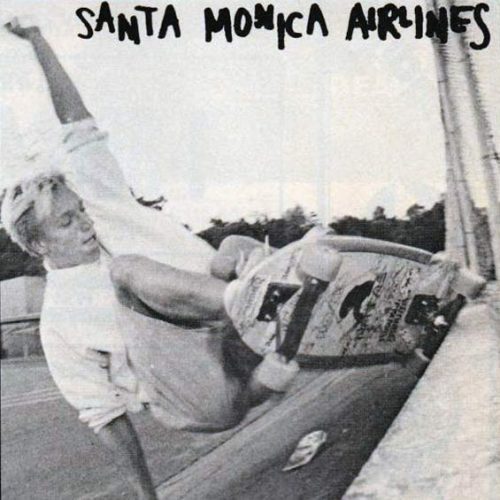
Natas Kaupas’ story begins in South Santa Monica, in the stretch of coastline the world now knows as Dogtown. Born on March 23, 1969, to Lithuanian parents, he grew up surrounded by surf, street, and the raw creative energy that shaped early West Coast skate culture. As a teenager he wasn’t chasing trophies or vert ramps – he was navigating schoolyards, curbs, alleys, and walls, treating the urban landscape as something that could be reimagined on four wheels. After winning a local surf contest in 1983, he received a Santa Monica Airlines (SMA) board as a prize and soon walked into Skip Engblom’s tiny SMA operation. Engblom immediately recognized how far ahead this young skater was and put him on the team, planting the foundation for one of the most influential street careers ever documented.
Defining Street Skating
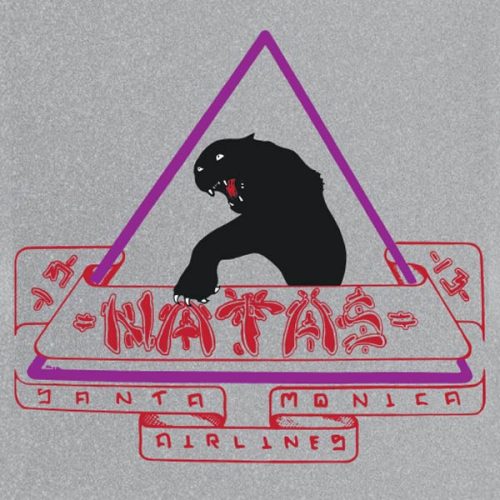
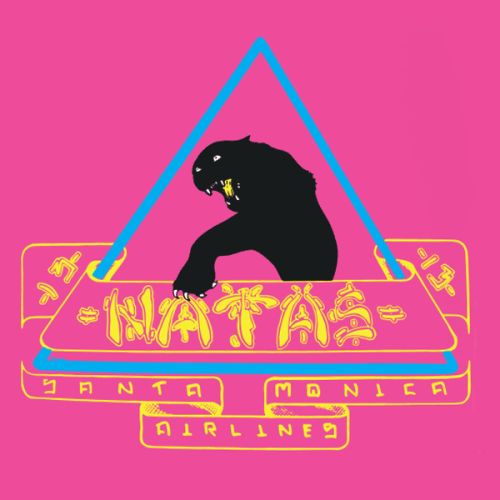
Through the mid-1980s, Natas and Mark Gonzales became the twin disruptors who pushed skateboarding into an entirely new era. Natas wasn’t simply adapting vert tricks to the street; he was rewriting how architecture itself could be used. Wallrides became a signature after the iconic Thrasher cover showing him riding off a wall in Santa Monica. His first SMA pro model, featuring Kevin Ancell’s black panther graphic, became one of the most recognizable visuals of the decade. Alongside Gonz, he helped redefine flatground by pulling Rodney Mullen’s freestyle tricks into real-world lines and bringing power, speed, and pop to everyday terrain. He was also among the earliest skaters to seriously test handrails, unknowingly launching the rail era that would define the ’90s.
Video Parts That Changed Everything
Video became the megaphone that broadcast his influence. Santa Cruz’s Wheels of Fire (1987) introduced a worldwide audience to his street-driven aggression and creative unpredictability, while Streets on Fire (1989) delivered the famous fire-hydrant spin – the “Natas Spin” – that transcended skateboarding and became a cultural icon. His parts in Speed Freaks, Sick Boys, and Street Skating with Rob & Natas further solidified his position as the prototype for the modern street skater long before plazas and purpose-built street parks existed.
Sponsors and Cultural Influence
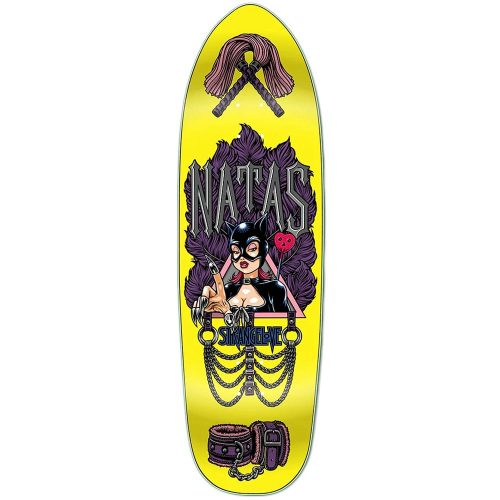
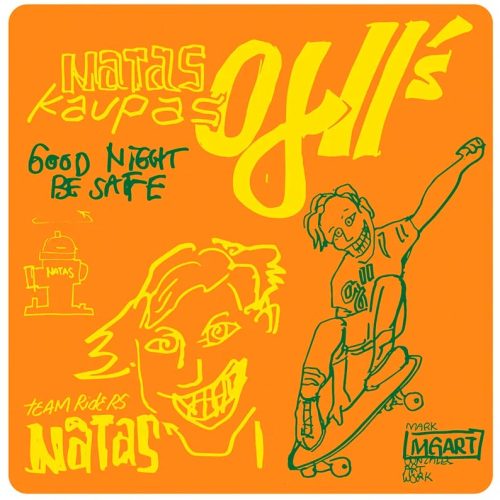
SMA and Santa Cruz supported his boards, Thunder backed his trucks, and OJ promoted him on wheels. In 1987 Etnies introduced one of skateboarding’s first true signature shoes with his name, marking him as both an athletic and creative force. Schools even banned his board graphic because “Natas” read backwards stirred moral panic, a controversy that only amplified his cultural impact and mystique.
101 Skateboards and the Rise of a Generation
In 1991, Steve Rocco offered him the chance to create a new brand under World Industries. Natas left SMA and founded 101 Skateboards, which became one of the most important incubators of street talent in the 1990s. Eric Koston, Gabriel Rodriguez, Adam McNatt, Gino Iannucci, Clyde Singleton, Jason Dill, Kris Markovich and others grew under or were shaped by 101’s creative environment. The company’s raw videos, experimental graphics, and fearless storytelling reflected Natas’ belief that skateboarding was as much an artistic and cultural movement as it was a physical one.
From Skater to Designer and Art Director
When injuries began limiting his skating, Natas transitioned naturally into graphic design and creative direction. While recovering from a severe ankle injury, he dove into early computer graphics and began contributing layouts and illustrations to Big Brother magazine. He later became art director for Rage, shaping the visual identity of action sports media. Around the same time, he co-founded FUCT, a streetwear brand that became legendary for its subversive graphics and DIY spirit, laying early groundwork for the modern skate-fashion crossover.
Design Leadership Across the Industry
Natas expanded into positions at Quiksilver and Element, eventually serving as a creative director and later a VP of Marketing for the Americas. In the early 2000s he launched Designarium, an art-driven imprint under NHS, inviting artists to reinterpret his iconic panther graphic in limited-edition runs. His portfolio evolved to include branding projects, collaborations, apparel, board art, and design consulting, always marked by his bold eye for composition and deep connection to skate culture.
The ON Video Legacy
A major piece of preserving his legacy came through ON Video. In 2003, the series released “Street Skating 101,” a dedicated mini-documentary chronicling his early life, breakthrough video parts, creative milestones, and the evolution of street skating that followed in his footsteps. Through archival footage and commentary from fellow pros and industry figures, the documentary traced how his skating reshaped the possibilities of urban terrain and set the stage for nearly every innovation that followed.
A Lasting Influence on Skateboarding and Beyond
By the time he entered the Skateboarding Hall of Fame in 2014, Natas was universally acknowledged as one of the architects of modern street skating. His influence spans generations of pros, graphic design, branding, video storytelling, and the very way skaters interpret the built world around them. Few figures have pushed skateboarding forward in as many ways, and even fewer have done so with the rare combination of style, vision, and artistic insight that defines Natas Kaupas.