




 Wide boards are back in a big way, but calling them a comeback almost sells the whole thing short. For a lot of skaters, wider decks never really left. They just moved in and out of the spotlight while skateboarding kept changing around them. After years where the narrow popsicle board became the default for technical street skating, more people are rediscovering how good it feels to have a little more wood under their feet. Whether it is an 8.5″ street deck, a 9″ shaped board, a 10″ reissue, a full-on oversized egg, or something wild like the Dogtown Bigfoot, the wide board trend is really about comfort, stability, speed and personality.
One of the biggest reasons wide boards are connecting right now is simple: they feel solid. A wider platform gives your feet more room to settle in, which can make skating feel less twitchy and more confident. That extra width can feel especially good when you are skating fast, hitting transition, charging over rough ground, doing slappies, skating curbs, rolling bowls or just cruising around town. The Dogtown Bigfoot is a perfect example of the extreme end of that conversation, with a massive 12″ x 31″ shape that reminds everyone wide boards are not just a modern trend — they are tied to skateboarding’s older, louder, more rebellious DNA.
Heroin Skateboards has to be mentioned in any real conversation about the modern wide board movement. Their egg boards, football shapes and oversized decks helped push weird shapes back into the mainstream skate conversation. Heroin did not just make wide boards look fun again; they made them feel like a creative choice instead of a novelty. The brand has leaned into bold shapes, durable construction and graphics that stand apart from the cookie-cutter deck wall, helping fuel the rise in popularity of bigger boards.
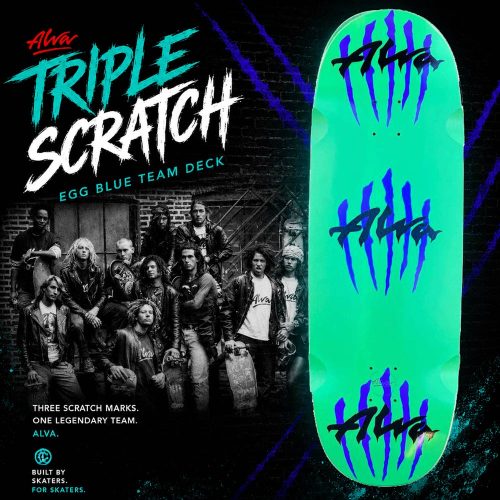
At BoarderLabs CalStreets, the wide board trend fits naturally because the shop has always lived between skate history, modern street skating, shaped boards, cruisers, reissues and everything in between. Brands like Heroin, Dogtown, Santa Cruz, Alva, Powell Peralta, Antihero, Creature, Krooked and other shop favourites all bring something different to the wide board conversation. Dogtown connects directly to the Venice roots of skateboarding, with the brand emerging from the mid-1970s scene through Wes Humpston and Jim Muir, while boards like the Bigfoot keep that oversized, rebellious spirit alive.
That might be the best part of this whole trend. Wide boards are not about replacing the classic street setup. There will always be skaters who prefer narrower boards for flip tricks, quick response and technical skating. But skateboarding is better when there are options. A wider board can make a skater feel more planted. A shaped deck can make a setup feel more personal. A bigger platform can make older skaters feel more comfortable getting back on board, while younger skaters are finding out that weird shapes are not just for the past. They are part of skateboarding’s future too.
The return of wide boards also says something about where skateboarding is right now. The scene feels less locked into one “correct” setup than it did during certain eras. People are skating curbs again. People are filming slappies, wallrides, banks, ditches, bowls and crusty spots. People are building boards that match how they actually skate instead of copying a standard size chart. That has opened the door for wider popsicles, directional shapes, eggs, reissues, Bigfoot-style monsters and hybrid setups that blend street, transition and cruising into one board.
For BoarderLabs CalStreets, this is not some random trend that came out of nowhere. It connects right back to the shop’s roots. CalStreets has always carried boards for different kinds of riders, from classic skate shapes to modern street decks, longboards, cruisers, surfskates and reissues. Wide boards make sense in that world because they are practical, fun and full of character. They work for skaters who want to charge harder, roll smoother, feel more stable or just ride something that looks different from everything else at the park.
In the end, the wide board trend is not really about width. It is about freedom. It is about skating what feels good. It is about realizing that a board can be technical, fast, weird, stable, classic and modern all at once. Whether you are stepping onto a Heroin egg, a Dogtown Bigfoot, a Santa Cruz reissue, an Alva pool shape, a Powell classic, a wider Antihero, a Creature deck or something else from the wall at BoarderLabs CalStreets, the message is the same: skateboarding is more fun when there is room to move.

