

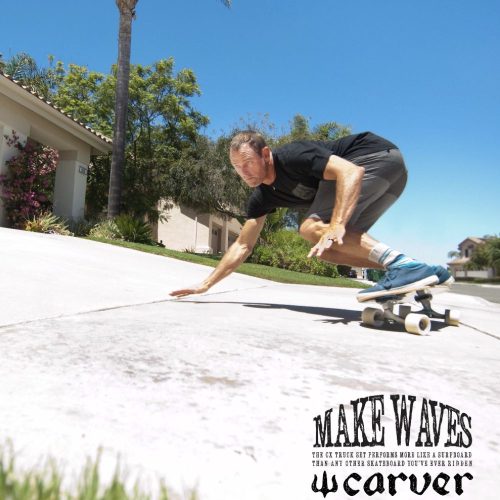
 If you’re new to surfskating, welcome to a whole new world of sidewalk surfing. And if you’re standing in front of a rack of Carver boards wondering what the heck the difference is between a C7 and a CX, or why wheelbase matters, don’t sweat it—you’re not alone. Choosing your first Carver surfskate doesn’t need to be overwhelming. This guide will walk you through everything you need to know, from the trucks under your board to how deck size and wheelbase affect performance. Whether you’re a surfer looking to cross-train or just want that fluid carving feel on dry land, Carver makes it accessible.
Understanding Carver’s Truck Systems: C7 vs. CX
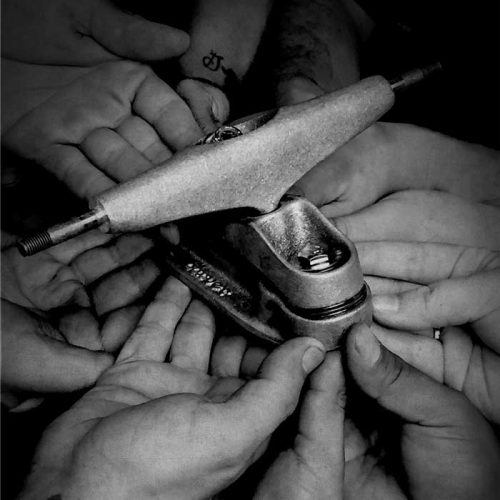
One of the biggest decisions you’ll make when choosing a Carver is which truck system to go with. Carver has two main setups: the C7 and the CX. The C7 is Carver’s original surfskate truck, designed to replicate the smooth, pumping motion of a surfboard. It features a swing arm mechanism with an adjustable spring that allows for deep, flowing carves and super tight turning radii. If you’re looking for that authentic surf-on-concrete feel and want to use your board for surf training or mellow carving, the C7 is a great choice. It’s highly responsive and very forgiving—perfect for riders who want to work on rail-to-rail transitions or simply cruise with style.
On the other hand, the CX truck is a reverse kingpin setup with a more stable, snappy feel. It’s lighter than the C7 and designed for faster pumping, tighter snaps, and a slightly more aggressive riding style. The CX feels more like a hybrid between a traditional skate truck and a surfskate, so it’s better suited to skatepark terrain, bowls, and technical riding. If you’re interested in a surfskate that can also handle the occasional ollie or grind—or if you’re transitioning from street or cruiser skating—the CX will feel more intuitive and direct underfoot.
How Deck Length and Wheelbase Affect Your Ride
Once you’ve picked your truck system, it’s time to find a deck that fits your body and your riding goals. One of the most important specs to look at is the wheelbase—the distance between the front and rear truck bolts. A shorter wheelbase (around 16 to 18 inches) creates a tighter turning radius and more responsive ride. This is great for quick, surf-style maneuvers and pump-heavy skating in small spaces. However, shorter wheelbases can feel twitchy or unstable at higher speeds, especially for taller riders.
Longer wheelbases (over 19 inches) are more stable and better suited for speed, downhill carving, or taller riders with a wider stance. A longer wheelbase makes the board feel smoother and more predictable, which is ideal for flowing sidewalk lines or mellow pumping over distance. The length of the deck itself also plays a role in comfort—generally, if you’re under 5’8″, a board in the 30″–32″ range will feel right. If you’re taller, something around 33″–36″ will allow you to open up your stance and get more power out of your pumps.
Matching Board Shape and Style to Your Goals
Beyond specs, the shape and design of the deck matter too. Carver collaborates with various surf brands and pro riders to create signature models, each tuned to mimic the feel of specific surfboard templates. For example, the Carver x Lost Rocket has a wider tail and more concave, giving you more leverage for snaps and hard carves. Meanwhile, a model like the Carver Tyler 777 has a longer, drawn-out outline that feels cruisy and stable—more like a longboard. Think about what kind of ride you’re after. Do you want to slash and pump hard like you’re dodging barrels? Or are you just trying to cruise the seawall and get that buttery flow?
If you’re completely new to all of it, a mid-sized Carver with a C7 setup is usually the safest bet. It’ll let you feel out what surfskating is all about and help you build muscle memory for balance, pump, and carve. You can always fine-tune your setup later with different bushings, risers, or wheels. Speaking of which, Carver completes usually come with soft, grippy wheels ideal for carving. They’re designed to grip asphalt like a fin in the water, which helps you hold your line and generate speed without pushing.
Final Thoughts: It’s All About Flow
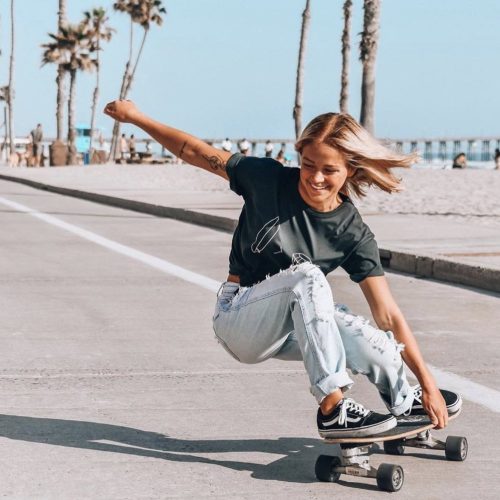
Surfskating is all about rhythm, timing, and flow. The beauty of a Carver setup is that you don’t need to push—it’s self-propelling. Once you learn how to generate speed by shifting your weight and twisting your shoulders, the whole experience becomes intuitive and addictive. Whether you’re looking to bring your surf training to the street or just want to flow down the boardwalk with a grin on your face, the right Carver board can change the way you move through the world.