


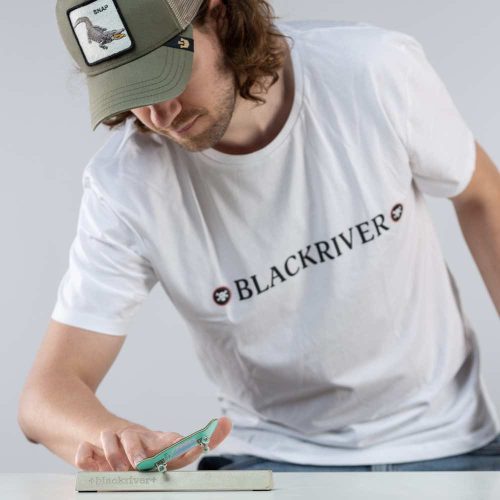
 Choosing your first fingerboard obstacle is like picking the first curb you ever ollied on a real board—it sets the tone for how you progress, build confidence, and develop style. The right obstacle should challenge you just enough to stay fun while helping you build control and creativity. It’s not about having the biggest setup; it’s about having the right starting point for your skills and your space.
Ledges: The All-Around Starter
A ledge is one of the best first obstacles you can own. Flat, solid, and predictable, it opens the door to endless tricks—slides, grinds, and manuals—without requiring much precision or speed. The wide surface makes it forgiving for beginners while still offering technical depth as you improve. A ledge can also double as a manual pad, letting you practice balance tricks and transition between combos. It’s the fingerboard equivalent of your neighbourhood curb: always there, always useful.
Manual Pads: Balance and Control
Manual pads teach subtlety. They focus on finger positioning, pressure, and movement rather than power. Starting with a low, smooth pad lets you perfect control before adding height or texture. Manuals are the backbone of style and flow, making this obstacle a quiet teacher that rewards patience. As you advance, you’ll find ways to connect manuals with grinds and flips, turning simple sessions into flowing lines.
Rails: Precision and Confidence
Rails look intimidating at first, but once you’re comfortable, they’re addictive. A low, stable rail is a great first pick if you already have some board control and want to work on consistency. Learning to lock into grinds—fakie, switch, or regular—builds confidence and muscle memory fast. The key is to start low and sturdy; height and complexity can come later. Rails teach precision, balance, and commitment—the core traits of any good fingerboarder.
Transition: Flow and Speed
If you’ve ever been drawn to ramps or bowls, a mini quarterpipe or transition piece might be your calling. Transition obstacles teach timing, flow, and momentum. They’re perfect for carving, popping airs, and linking tricks in one smooth motion. They also add variety to flatground-heavy sessions, helping you explore a different rhythm of fingerboarding that feels closer to real skating.
Building Your Setup and Progression
The best first obstacle is the one you’ll actually use every day. Ledges and pads are great all-rounders for small spaces, while rails and transition pieces add excitement as your confidence grows. Eventually, combining these into a small park will help you connect tricks, explore creativity, and develop your own style. What matters most is not how many obstacles you own, but how much imagination you bring to each session. Your first obstacle is more than a piece of wood or metal—it’s the start of your flow. Whether you’re sessioning solo or rolling with friends, each grind, slide, or manual is a step in your evolution. Keep practicing, stay curious, and remember: every pro fingerboarder started with one simple obstacle and a big imagination.

