



 Dogtown Skateboards is more than just a brand—it’s a badge of honor for one of skateboarding’s most legendary and rebellious bloodlines. Born from the gritty beachfront concrete of Southern California, Dogtown represents both a place and a philosophy: raw, aggressive, and unapologetically original. To understand Dogtown Skateboards is to understand how geography, style, and culture collided in a moment that changed skateboarding forever.
THE GEOGRAPHY: DOGTOWN, VENICE, AND SANTA MONICA
“Dogtown” refers to a stretch of run-down coastal neighborhoods in the 1970s that included Venice Beach and parts of Santa Monica, California. At the time, this was no tourist-friendly boardwalk—it was a decaying urban wasteland full of graffiti, broken pavement, and abandoned swimming pools. But to a tight-knit group of surfers and skaters, it was a playground. Waves broke on shallow reefs near the Pacific Ocean Park pier ruins, and when the waves were flat, the crew hit the streets.
This gritty environment bred a style of skateboarding that was fluid, low, and surf-influenced—everything anti-establishment skateboarding needed to explode into a legitimate movement. Dogtown wasn’t just a backdrop; it was the crucible that forged a new kind of skate culture.
THE ORIGINS OF DOGTOWN SKATEBOARDS
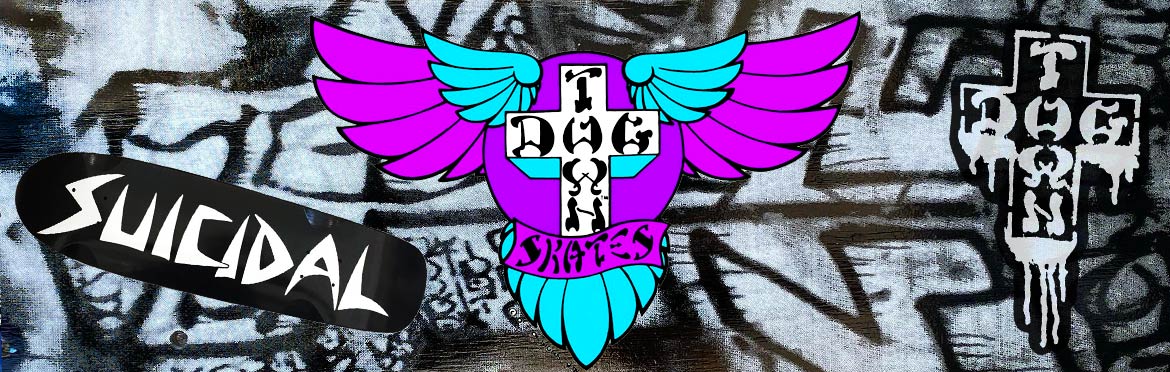
The Dogtown Skateboards brand emerged from this scene in the mid-1970s, co-founded by artist Wes Humpston and skater Jim Muir. What started as hand-drawn graphics on backyard decks evolved into full production, as the Z-Boys—Zephyr Competition Team—began to gain notoriety. The brand quickly became known for its distinctive crosses, aggressive shapes, and anti-corporate ethos.
Wes Humpston’s early graphics gave each board an identity, and Jim “Red Dog” Muir ensured the brand stayed true to its roots. Dogtown Skateboards served as a visual and cultural extension of the Z-Boys’ movement. With an underground, no-BS attitude, the brand was never meant to appeal to the masses—it was built for those who lived and bled for skateboarding.
THE Z-BOYS AND THE ORIGINAL TEAM
The Zephyr team—better known as the Z-Boys—was the foundation on which Dogtown was built. Key riders included Tony Alva, Jay Adams, Stacy Peralta, Peggy Oki, Nathan Pratt, Shogo Kubo, and Jim Muir himself. These weren’t your clean-cut, contest-loving skateboarders. They were punk before punk existed, bringing style, aggression, and a rebellious spirit to both the surf and the skate worlds.
Jay Adams, often considered the soul of Dogtown, embodied the pure, untamed energy of the scene. His skating was explosive and unpredictable. Tony Alva brought a mix of charisma and competitive fire, pushing the boundaries of vertical skating. Stacy Peralta would later go on to co-found Powell Peralta and direct Dogtown and Z-Boys, the documentary that would re-introduce the world to the story in 2001.
DOGTOWN TODAY: MODERN RIDERS, OLD SCHOOL FIRE
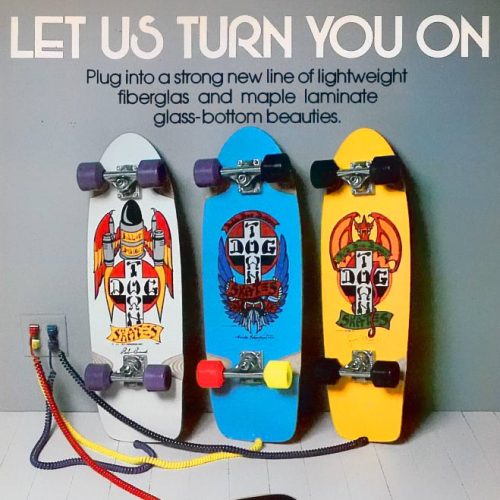
While the original Dogtown team helped define the early years of the sport, the brand continues to evolve with a new generation of riders. Today, Dogtown Skateboards still produces decks, apparel, and reissues of its classic shapes—keeping the old school alive while welcoming a new wave of skaters who ride with the same DIY attitude.
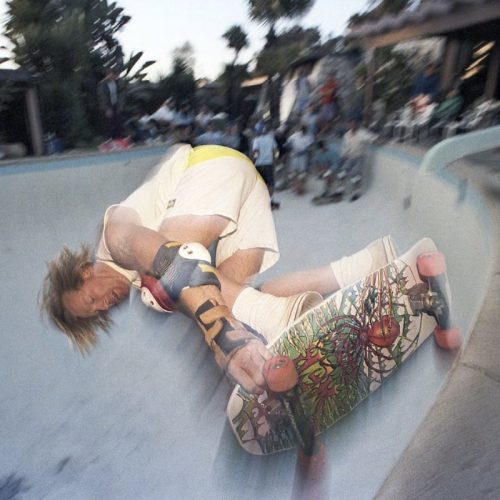
Modern Dogtown riders keep the flame burning with styles that pay tribute to pool skating, backyard ramps, and the fast, powerful flow that defined Venice Beach in its heyday. The brand doesn’t chase trends—it keeps its focus on heritage, quality, and attitude.
MORE THAN A BRAND: A PHILOSOPHY
Dogtown Skateboards isn’t just about nostalgia—it’s about staying true to roots. In an industry flooded with mass-market brands, Dogtown has remained fiercely independent. It’s not here to impress the mainstream; it’s here for the skaters who want grit, soul, and a direct connection to one of the most important chapters in skateboarding history.
