

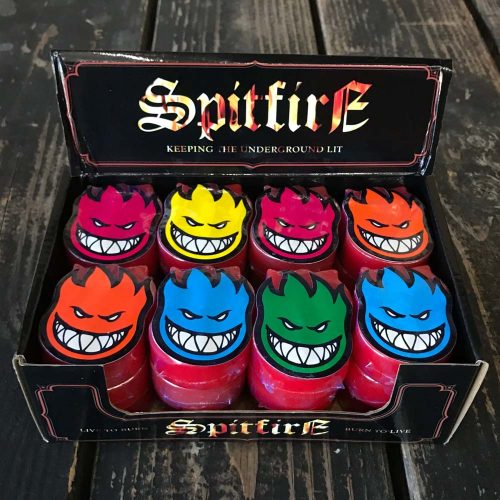
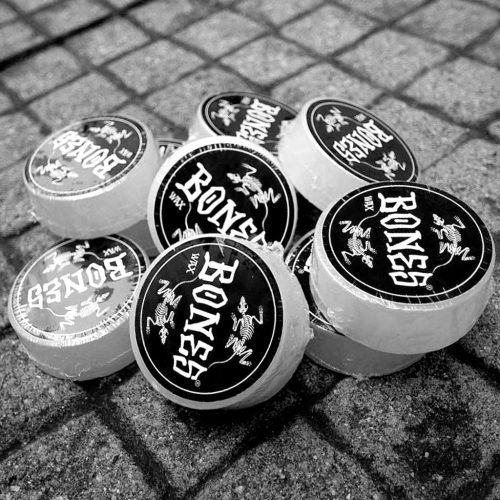
 Skateboard wax might not get the same glory as decks, trucks, or wheels, but it’s the quiet secret weapon that makes the impossible grind possible. It’s the difference between a sticky hang-up and a smooth, satisfying slide. Born from pure necessity, wax became part of the street skater’s toolkit in the late ’80s and early ’90s when riders began venturing beyond skateparks, attacking ledges, curbs, and handrails that weren’t designed to skate. Those raw urban surfaces needed something to smooth the friction—enter wax.
The science behind skateboard wax is simple but crucial. Wax reduces friction between your board and the surface, allowing it to glide smoothly across metal or concrete. Most skateboard wax is made from paraffin or a blend of paraffin and beeswax, giving it the right hardness to apply easily and stick to rough surfaces. The smoother the surface, the less wax you need; the rougher it is, the heavier your application should be. Skaters often rub wax directly onto ledges, rails, or curbs where trucks and decks make contact. A thin, even layer can completely change the way an obstacle feels—turning a crusty curb into a dream spot.
Wax’s cultural significance in skateboarding runs deep. For decades, it’s been a symbol of street creativity—a small block of rebellion that turns any piece of architecture into a potential skate feature. In the ’90s, brands started releasing custom wax in unique shapes, scents, and colours. From company logos to toy-like molds, wax became an expression of identity as much as function. A bar of wax could resemble a skull, a doughnut, or a lightning bolt—always pocket-sized, always ready for a session.
Of course, there’s a bit of an unspoken code around wax use. Too much can ruin a spot for others, leaving it dangerously slick or changing how it grinds. Skaters know to apply just enough—respect the locals, respect the ledge. The best wax jobs are invisible to the untrained eye, felt only in the buttery smooth slide of a perfect 50-50 or nosegrind.
Even today, wax holds its place as an essential part of skateboarding’s DIY spirit. It’s the ultimate street-level innovation—cheap, portable, and born from necessity. Whether you’re riding a legendary plaza or a random curb behind a grocery store, a block of wax in your pocket turns the ordinary into the extraordinary. In a culture built on creativity and adaptation, skateboard wax proves that sometimes the smallest tools make the biggest difference. In the end, skateboard wax is more than just a block of slick utility—it’s a symbol of street ingenuity and creative freedom. Every piece of wax carries a bit of skate culture’s rebellious DNA, transforming cold concrete into playgrounds of endless possibility.

