
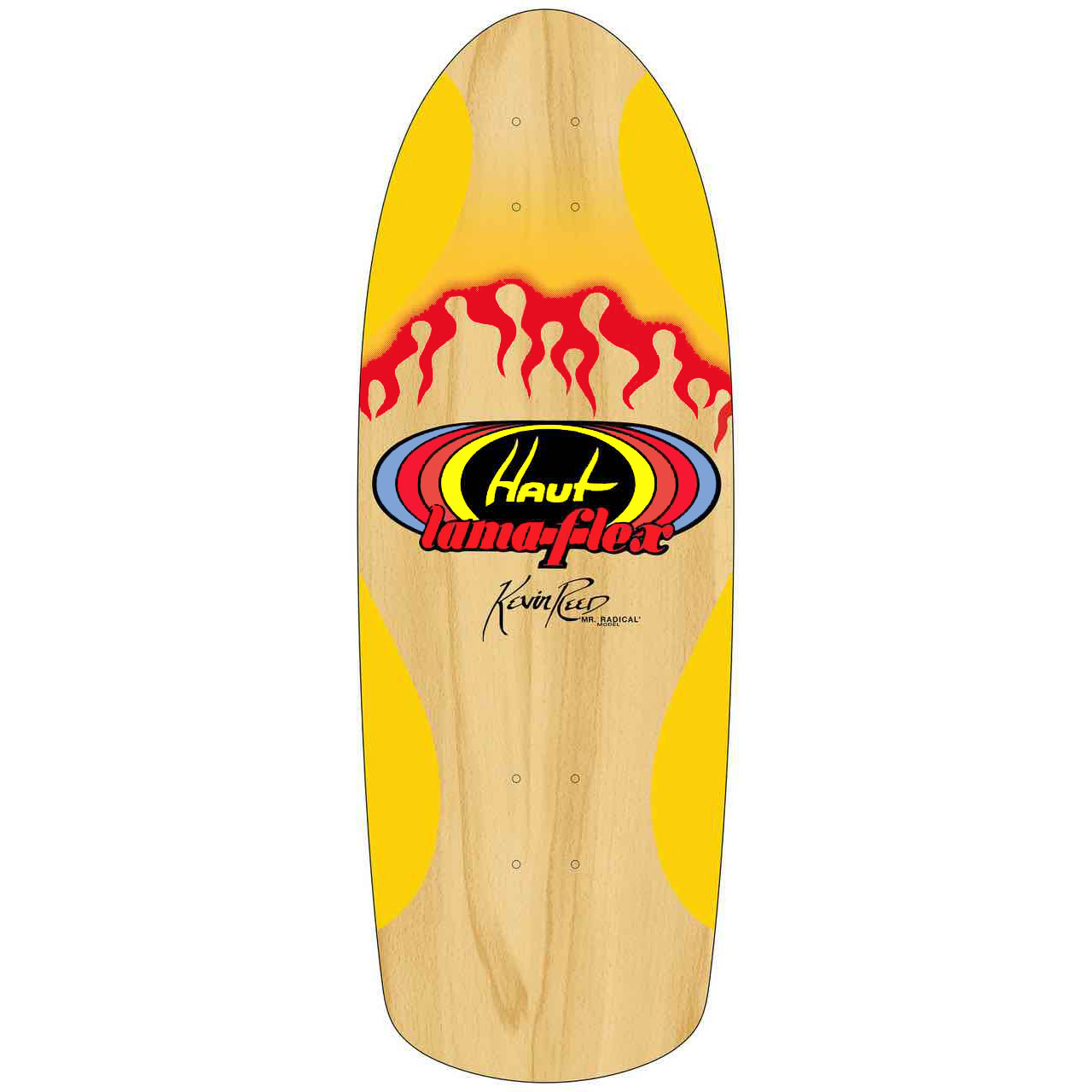
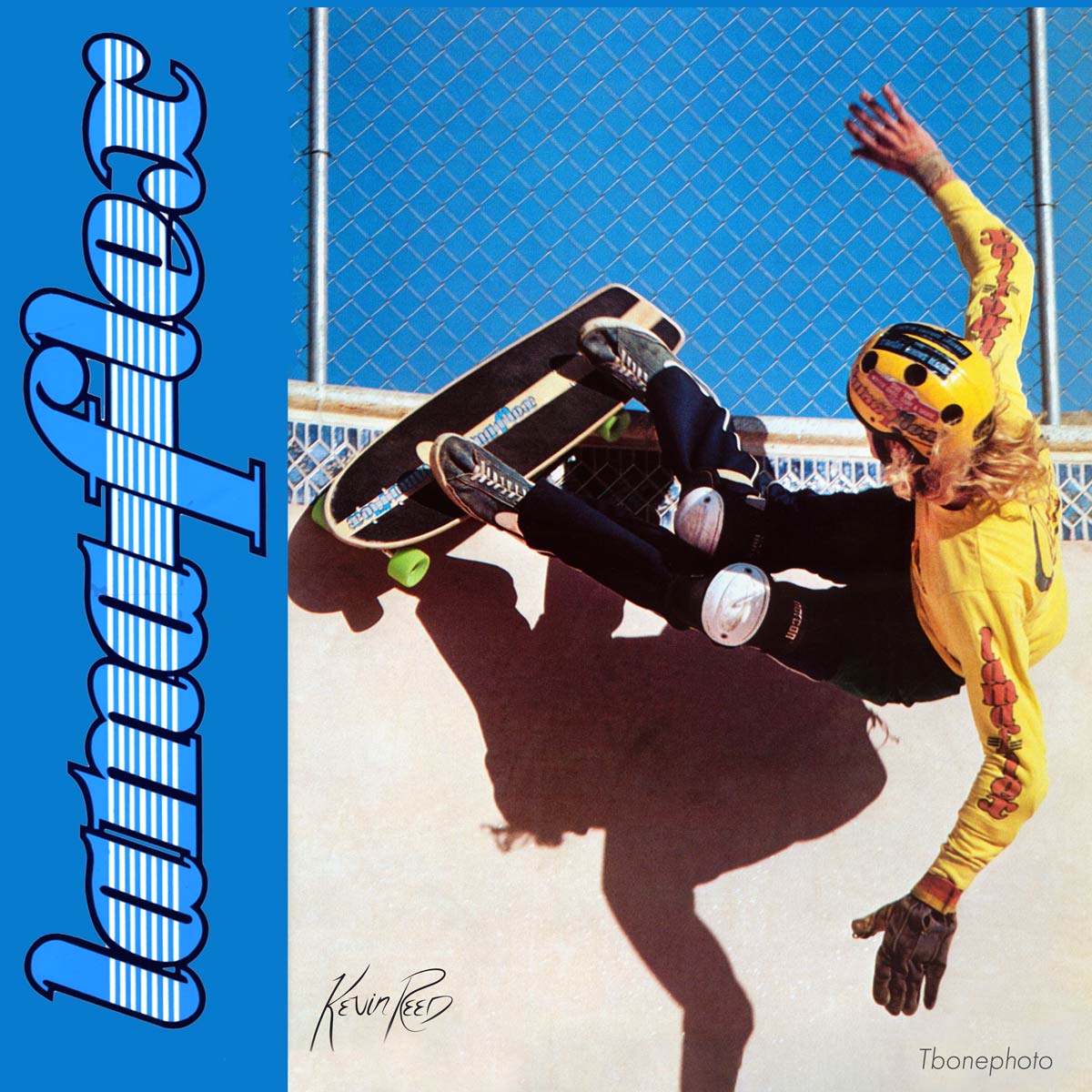
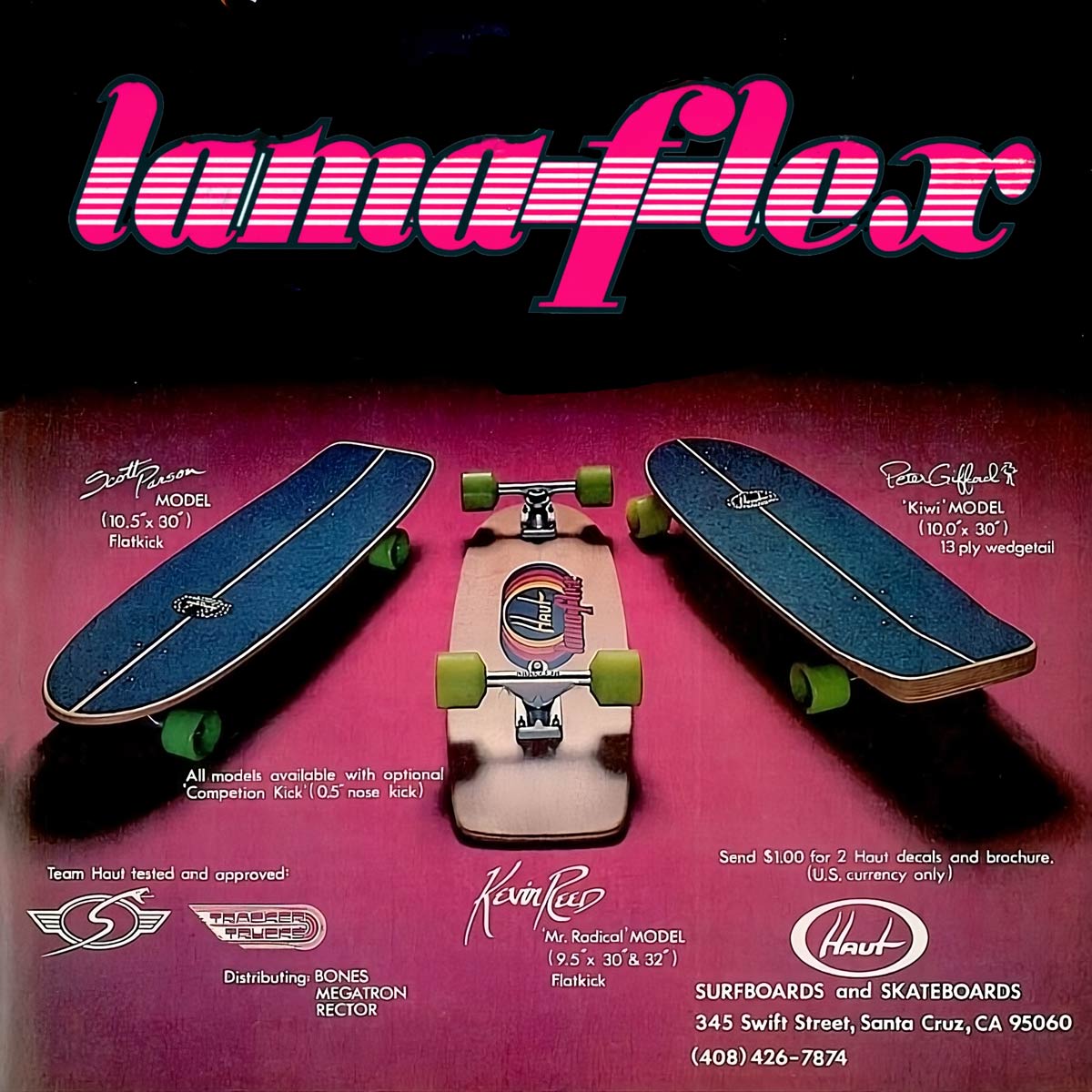
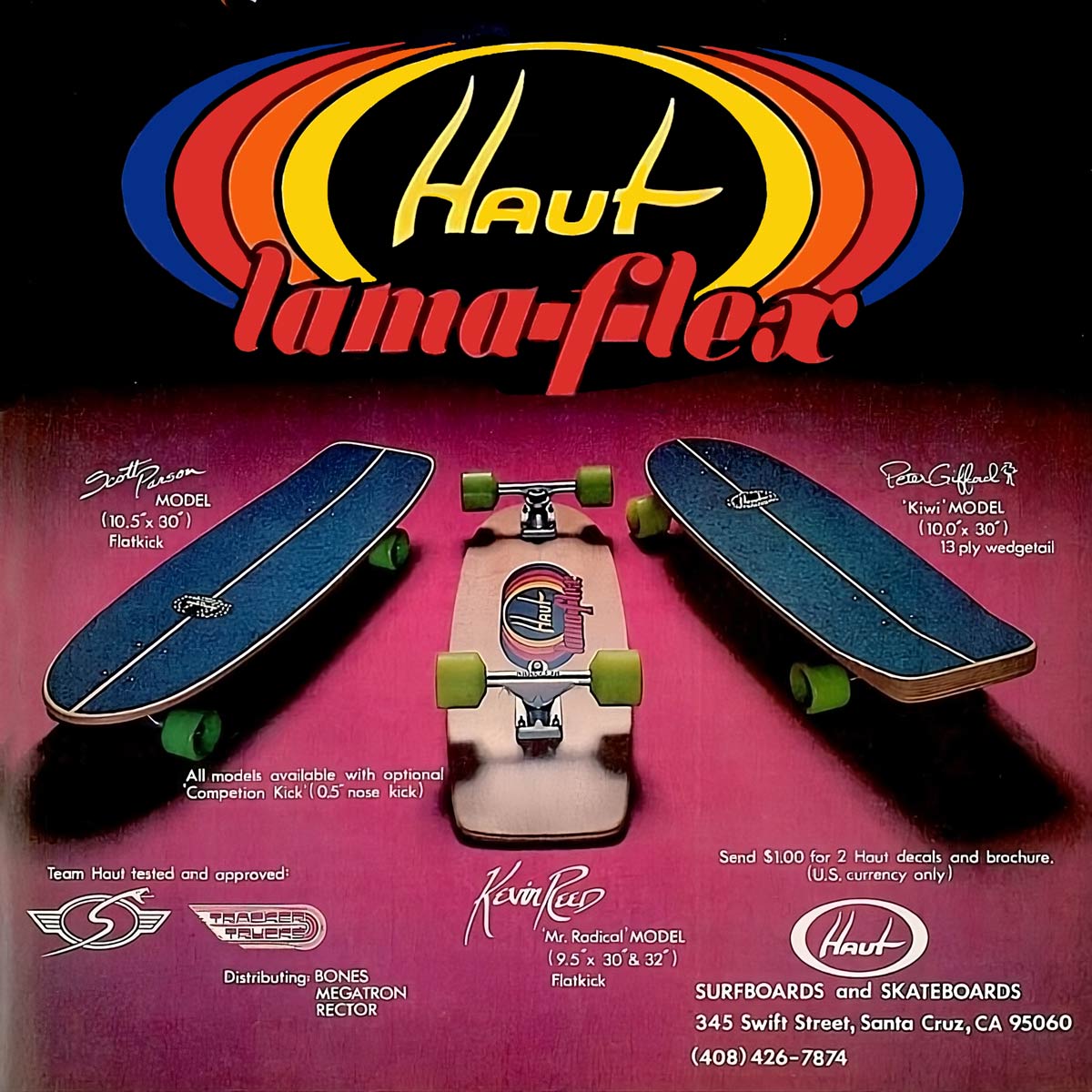
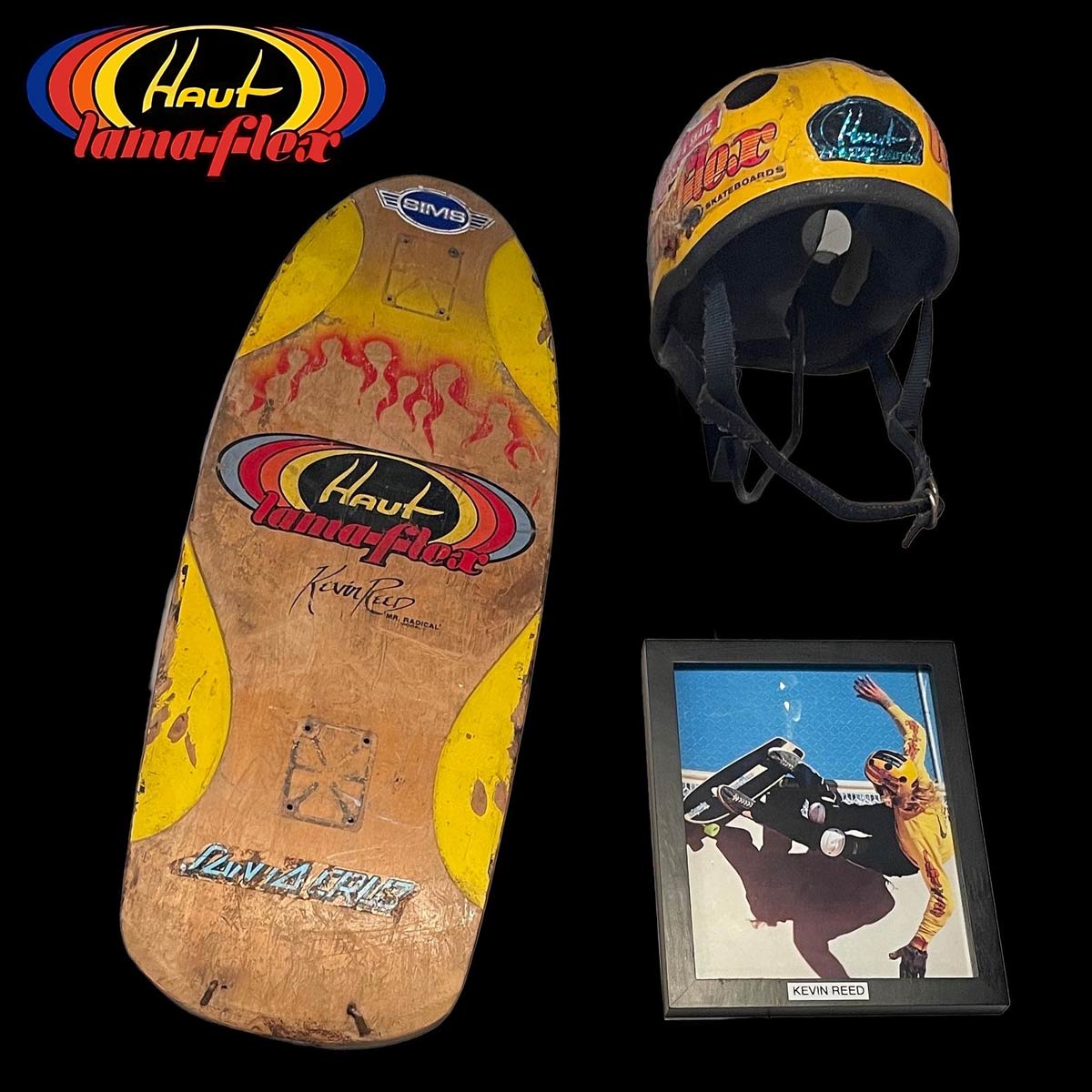





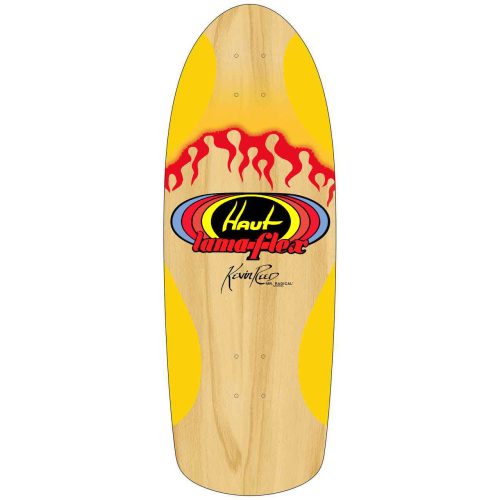

Haut was at the forefront of deck innovation, releasing wider boards earlier than most companies as well as constantly evolving new shapes and craftsmanship, and the advertisement announcing pro models for Reed, along with Scott Parsons, and Peter “Kiwi” Gifford is a perfect example. Upon close examination, the boards currently available in the ad are already surpassed by the prototypes these guys were riding in the action photos.
The brand and it’s riders still remained largely unknown outside of NorCal, but for those of us coming up in the area they were the marquee guys, along with the original lords of the north Rick Blackhart, the Buck Brothers, Kevin Thatcher, and Tim Marting. The “up north versus down south” rivalry felt very real from our perspective. Our dudes could throw down with anybody, anywhere, anytime, and this was about to be proven on our turf after a controversial SoCal-centric first Hester ISA series.
Peter Kiwi Gifford stated, “Initially, Bob Skinner ran the team. It was hard preparing for a contest with Bob as your team manager. He was a fast-living rich kid and he was always partying.
We were quite the opposite of the Bones Brigade. We were like pirates or something… Myself, Kevin Reed, Scott Parsons and Eric Halverson really rolled around everywhere together. 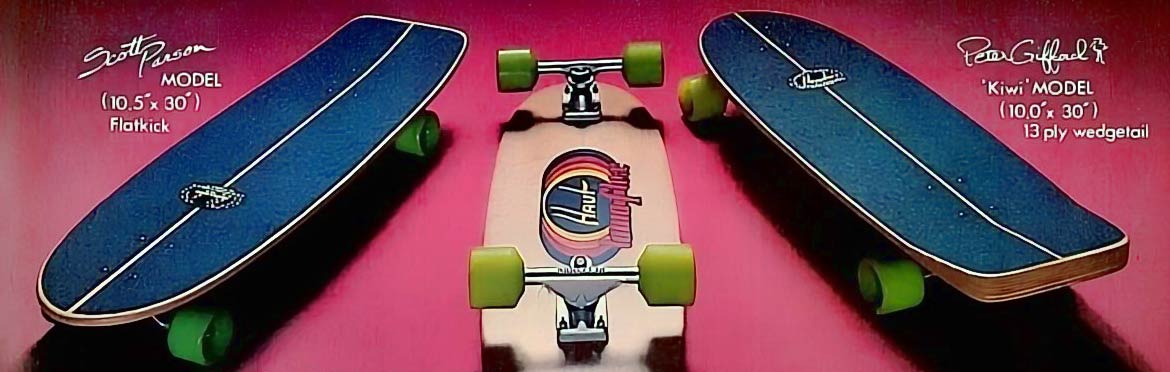
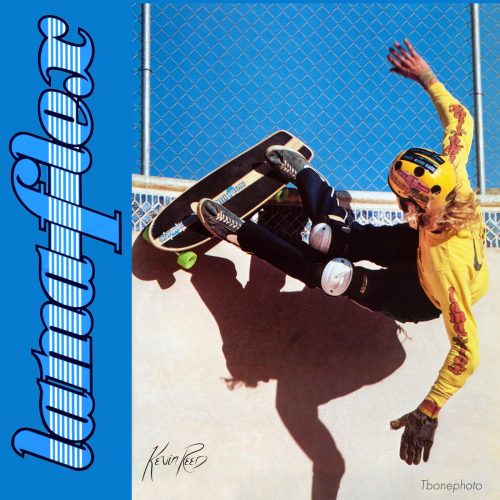 Kevin Reed Haut played a crucial role in the early skateboarding scene in Santa Cruz and Northern California. After moving to the west coast in 1954, he became a skilled waterman and honed his surfing and skateboarding skills.
In 1970, Kevin Reed and his brother Lance ventured into skateboarding, constructing ramps and pushing the sport's boundaries. He earned the nickname "Mr. Radical" and started crafting his own innovative skateboards. The Haut brand entered the skateboard market in the late 1970s with unique and wider decks.
Kevin Reed's impact on skateboarding was significant, and he was part of a small but influential Haut team. They traveled, competed, and pushed the sport's progression. The Haut brand's legacy was one of innovation, style, and attitude. Although many pay-to-play parks closed in Northern California, the Haut brand's influence remained profound in skateboarding history.
Kevin Reed Haut played a crucial role in the early skateboarding scene in Santa Cruz and Northern California. After moving to the west coast in 1954, he became a skilled waterman and honed his surfing and skateboarding skills.
In 1970, Kevin Reed and his brother Lance ventured into skateboarding, constructing ramps and pushing the sport's boundaries. He earned the nickname "Mr. Radical" and started crafting his own innovative skateboards. The Haut brand entered the skateboard market in the late 1970s with unique and wider decks.
Kevin Reed's impact on skateboarding was significant, and he was part of a small but influential Haut team. They traveled, competed, and pushed the sport's progression. The Haut brand's legacy was one of innovation, style, and attitude. Although many pay-to-play parks closed in Northern California, the Haut brand's influence remained profound in skateboarding history.