



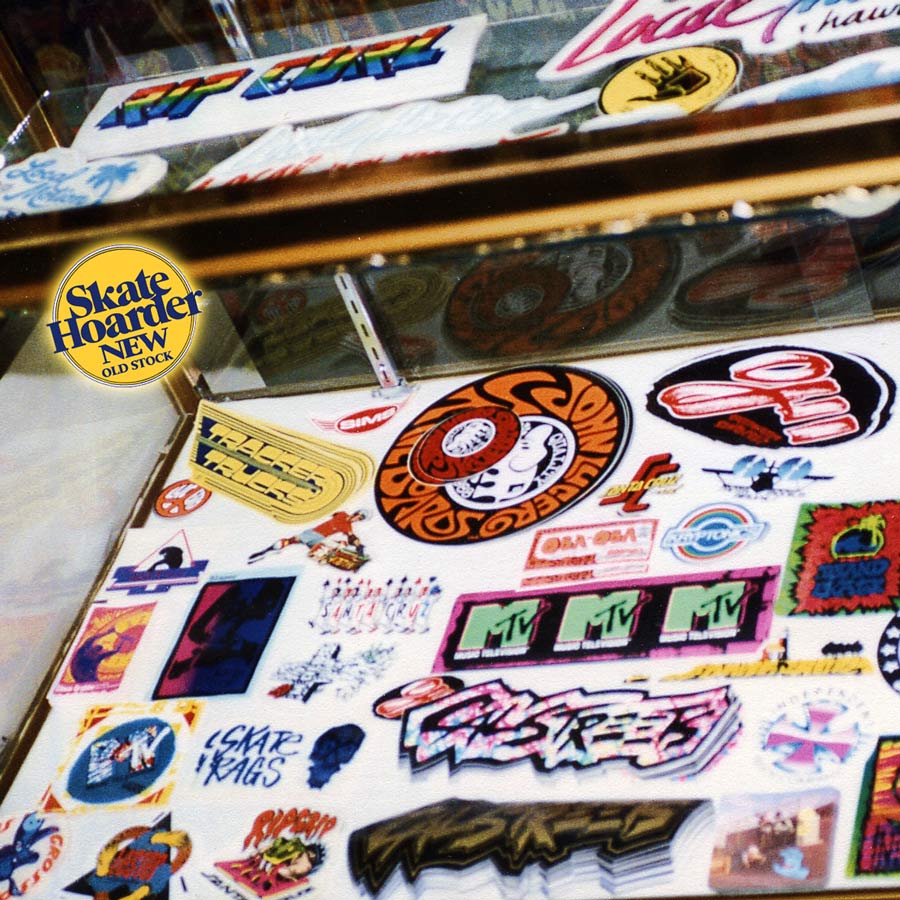





 VINTAGE 1980’S HOBIE-FLEX STICKER: Step back into the golden era of skateboarding with this authentic vintage 1980s Hobie-Flex sticker. A true relic from the legendary Hobie Skateboards, this bold and vibrant decal captures the essence of early skate culture with its iconic Hobie “H” logo and triple-stacked HOBIE-FLEX lettering in a striking gradient of yellow, orange, and red.
Framed in a retro racing stripe border, this design embodies the high-energy aesthetic of the 80s skateboard scene.
CalStreets proudly carries on that creative legacy, proving that “legends ride legends.” Let this sticker stand as a tribute to the artistry, craftsmanship, and history that shaped modern board culture.
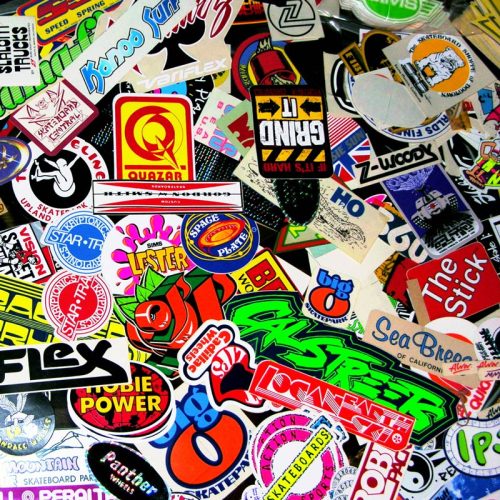
Brand new stickers from the CalStreets vault. But why stop at stickers? I’m taking a deep dive into my personal vault, bringing out an array of my most prized stickers.
These aren’t just decals; they’re mementos of a life lived on wheels, tokens of a culture we all love and live for. From California Skateparks to forgotten Canadian Skate companies.
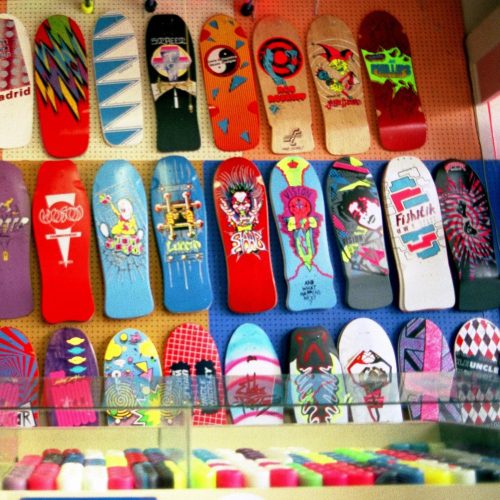
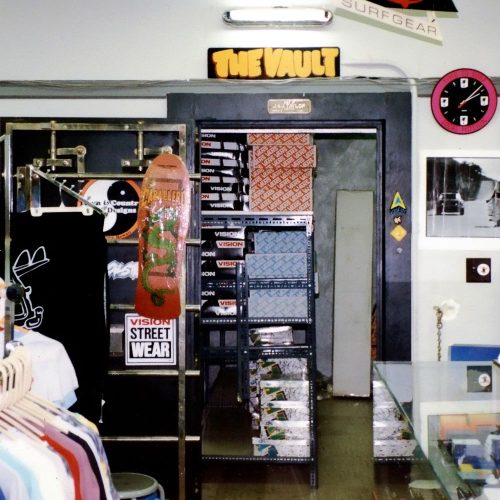
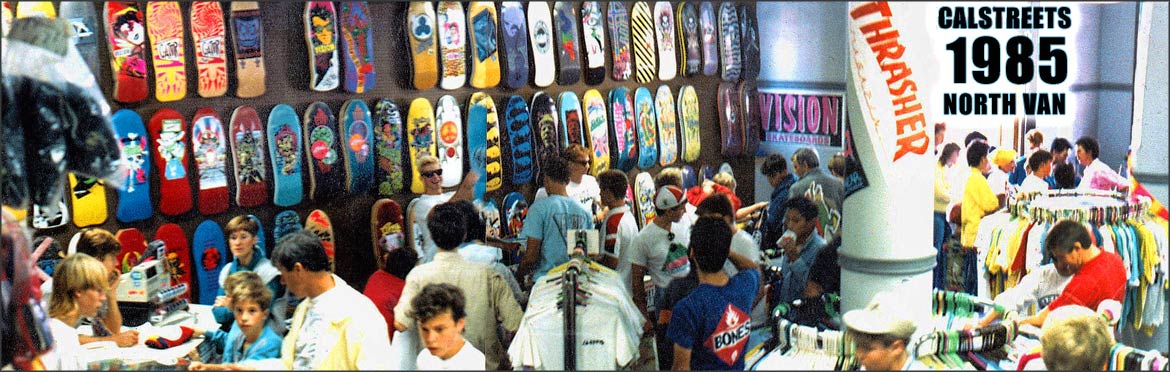
From the early days at Skateboard Central on 38 Lonsdale, to the adrenaline-fueled times at Outrageous Skate & BMX across from Seylynn Bowl, and through the era of CalStreets, I’ve been stashing away the coolest, most radical items.
And now, it’s time they found new homes where they’ll be appreciated and cherished.


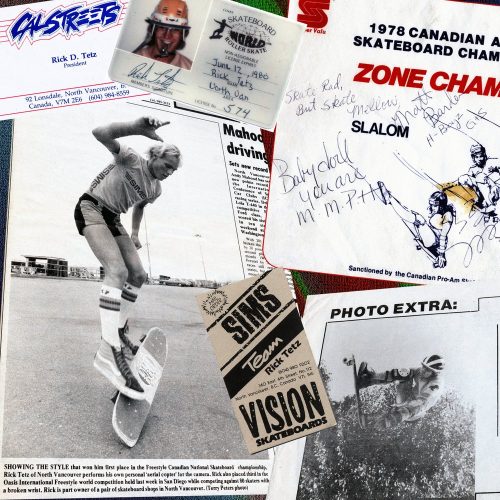 **Skate Hoarder NOS – A Skate Time Capsule!**
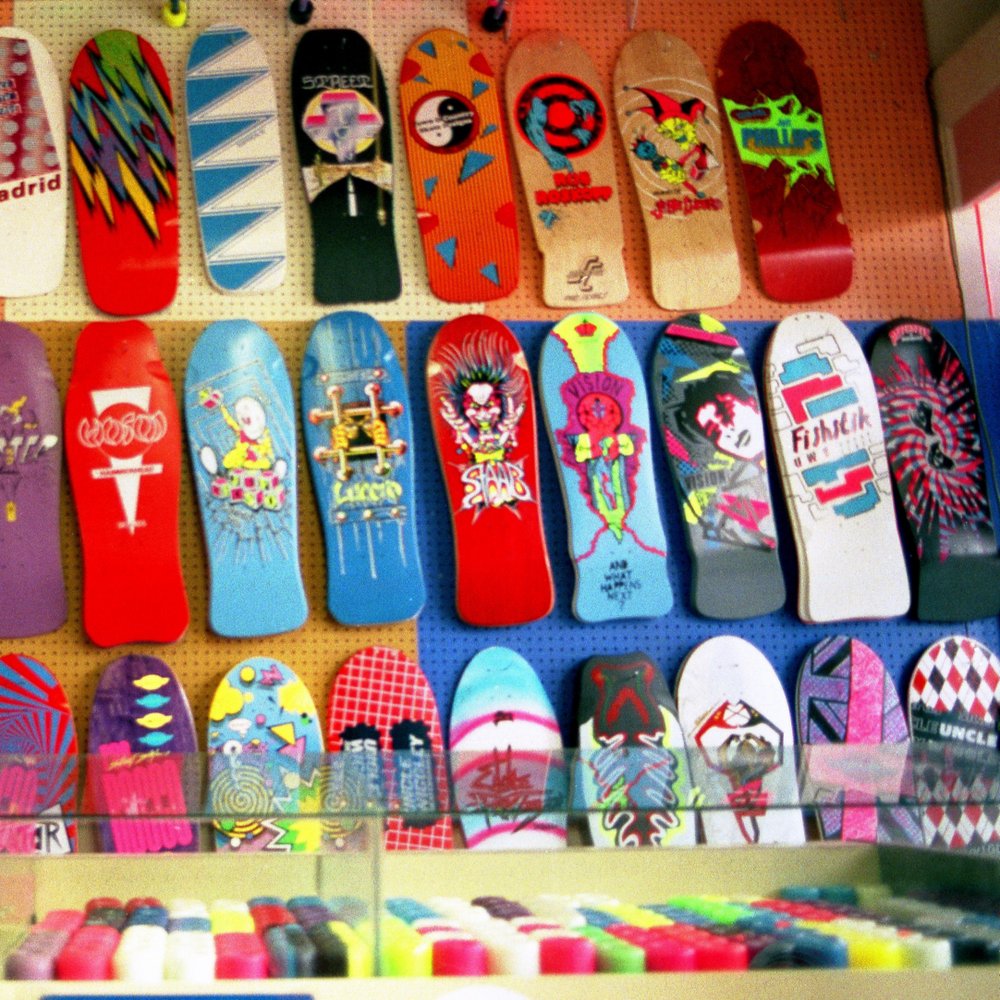
Rick Tetz here, bringing you a blast from the past with my exclusive Skate Hoarder NOS collection. This isn't just any collection; it's a treasure trove of skateboards, clothing, stickers, and decks straight from the legendary CalStreets vault.
**From Cranbrook to Vancouver**
My journey kicked off back in '76 as a bright-eyed buyer at Kade's Cycle in Cranbrook BC. Fast forward through over four epic decades in the skate scene, and here I am, ready to roll out pieces of history to you, my fellow skate collectors across Canada.
**A Skate Legacy Unveiled**
From the early days at Skate Central on 338 Lonsdale, to the adrenaline-fueled times at Outrageous Skate & BMX near Seylynn Bowl, and through the era of CalStreets, I've been stashing away the coolest, most epic skate items. And now, it's time they found new homes where they'll be appreciated and cherished.
This collection is more than just skate gear; it's a piece of Canadian skate history, a testament to the culture we've built and loved. Whether you're a seasoned skater reliving the glory days or a new shredder eager to own a piece of the legacy, there's something here for everyone.
So, get ready to dive into a world where every item tells a story, every sticker brings back a memory, and every deck has a tale to ride.
Thank you for being part of this incredible journey. Let's keep the wheels turning and the memories alive!
Have a great skate! Rick Tetz
**Skate Hoarder NOS – A Skate Time Capsule!**
Rick Tetz here, bringing you a blast from the past with my exclusive Skate Hoarder NOS collection. This isn't just any collection; it's a treasure trove of skateboards, clothing, stickers, and decks straight from the legendary CalStreets vault.
**From Cranbrook to Vancouver**
My journey kicked off back in '76 as a bright-eyed buyer at Kade's Cycle in Cranbrook BC. Fast forward through over four epic decades in the skate scene, and here I am, ready to roll out pieces of history to you, my fellow skate collectors across Canada.
**A Skate Legacy Unveiled**
From the early days at Skate Central on 338 Lonsdale, to the adrenaline-fueled times at Outrageous Skate & BMX near Seylynn Bowl, and through the era of CalStreets, I've been stashing away the coolest, most epic skate items. And now, it's time they found new homes where they'll be appreciated and cherished.
This collection is more than just skate gear; it's a piece of Canadian skate history, a testament to the culture we've built and loved. Whether you're a seasoned skater reliving the glory days or a new shredder eager to own a piece of the legacy, there's something here for everyone.
So, get ready to dive into a world where every item tells a story, every sticker brings back a memory, and every deck has a tale to ride.
Thank you for being part of this incredible journey. Let's keep the wheels turning and the memories alive!
Have a great skate! Rick Tetz
 Hobie Skateboards: How a Surf Icon Helped Shape ’60s Skate Culture
While Vita-Pakt Juice Company provided the funding and manufacturing backbone for skateboards in the 1960s, it was Hobie Alter who brought a true surf pedigree—and star power—to the table. In late 1964, Vita-Pakt teamed up with the legendary surfboard innovator to create and market a line of Hobie skateboards. Armed with Hobie’s name, they launched a major publicity push that included forming the Hobie Super Surfer team. Skilled riders—often poached from rival Makaha—showed off their moves, helping the Hobie skateboard brand soar in popularity.
To spread the stoke even further, Hobie and his crew embarked on a cross-country bus tour, screening Bruce Brown’s surf film The Endless Summer, hosting demos, and attracting thousands of fans along the East Coast. Their bustling crowds and the widespread press coverage ignited a nationwide passion for Hobie skateboards.
On the innovation front, Hobie was first to launch a pressure-molded fiberglass skateboard and the first to mass-market a truck designed solely for skateboards. He nearly revolutionized skateboarding years before urethane wheels would finally hit the mainstream. Unfortunately, Vita-Pakt hesitated to back Hobie’s vision of more expensive urethane wheels, partly due to concern over raising the price of their boards.
Hobie Skateboards: How a Surf Icon Helped Shape ’60s Skate Culture
While Vita-Pakt Juice Company provided the funding and manufacturing backbone for skateboards in the 1960s, it was Hobie Alter who brought a true surf pedigree—and star power—to the table. In late 1964, Vita-Pakt teamed up with the legendary surfboard innovator to create and market a line of Hobie skateboards. Armed with Hobie’s name, they launched a major publicity push that included forming the Hobie Super Surfer team. Skilled riders—often poached from rival Makaha—showed off their moves, helping the Hobie skateboard brand soar in popularity.
To spread the stoke even further, Hobie and his crew embarked on a cross-country bus tour, screening Bruce Brown’s surf film The Endless Summer, hosting demos, and attracting thousands of fans along the East Coast. Their bustling crowds and the widespread press coverage ignited a nationwide passion for Hobie skateboards.
On the innovation front, Hobie was first to launch a pressure-molded fiberglass skateboard and the first to mass-market a truck designed solely for skateboards. He nearly revolutionized skateboarding years before urethane wheels would finally hit the mainstream. Unfortunately, Vita-Pakt hesitated to back Hobie’s vision of more expensive urethane wheels, partly due to concern over raising the price of their boards.